

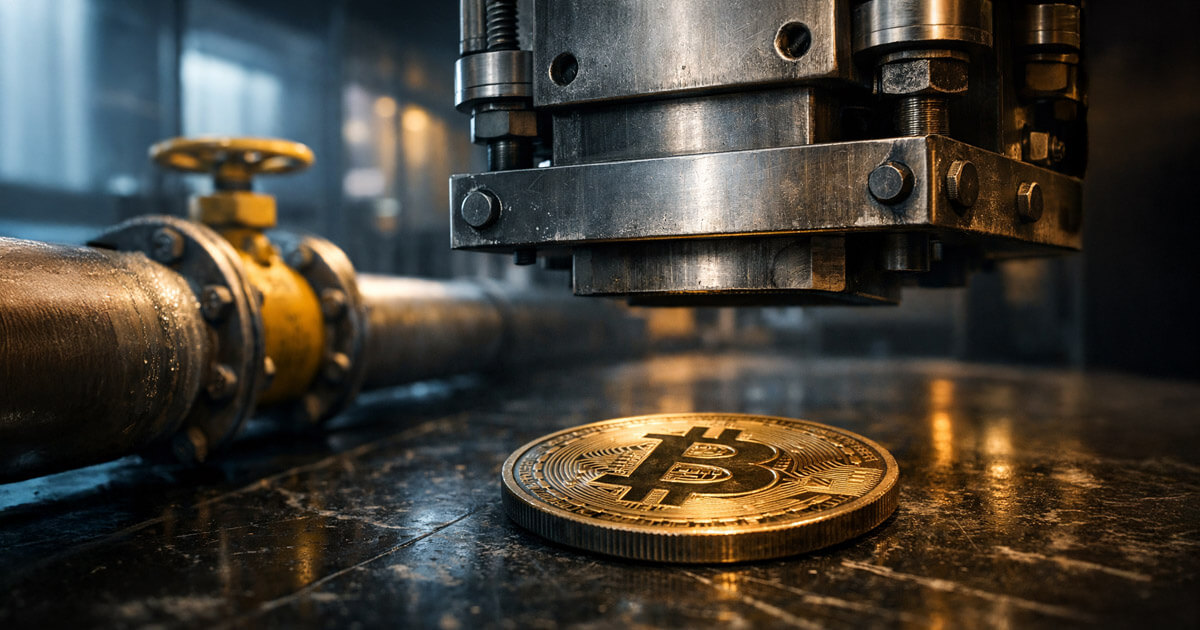
Bitcoin investors often focus on the usual macro signals such as interest rates, inflation, ETF flows, and dollar strength. But a sharp move in natural gas is now forcing the market to pay attention to a different kind of risk. When natural gas surges this aggressively, it does not stay limited to the energy sector. It starts to ripple across production costs, power markets, industrial demand, inflation expectations, and broader investor sentiment. That is why a major jump in gas prices can become a hidden macro trap for Bitcoin, especially at a time when digital assets remain highly sensitive to shifts in liquidity and risk appetite.
Why a Natural Gas Rally Matters Beyond Energy Markets
A powerful rise in natural gas prices sends a message that something deeper may be happening in the global economy. It can reflect supply stress, weather-driven demand, geopolitical tensions, or disruptions in infrastructure. Whatever the reason, the market usually interprets such a move as inflationary at first. Higher gas prices can quickly affect electricity costs, manufacturing expenses, transportation systems, and even consumer expectations. Once that happens, investors begin to worry that central banks may have less room to ease financial conditions.
That matters for Bitcoin because the asset still trades as a liquidity-sensitive instrument during periods of macro uncertainty. While many long-term believers continue to frame Bitcoin as digital gold, real market behavior often shows that it reacts more like a high-volatility risk asset when global conditions tighten. If traders begin to fear that higher energy prices will keep inflation sticky, Bitcoin can come under pressure as capital rotates away from speculative assets and toward safer or more defensive positions.
The Macro Trap That Could Hit Bitcoin Fast
The real danger is not just that natural gas has surged. The danger is the chain reaction that can follow. Rising gas prices can revive inflation fears just as markets may have been getting comfortable with a softer policy outlook. That creates a trap. Investors may have already positioned for easier monetary conditions, higher liquidity, and stronger performance in risk assets. If the energy spike suddenly changes that expectation, the unwind can be brutal.
Bitcoin is especially exposed in this type of environment because leverage tends to build quietly when sentiment is positive. Traders become confident, funding conditions get crowded, and many assume that any dip will be bought quickly. But a macro shock can change that psychology in a single session. If higher gas prices force the market to rethink inflation and rates, Bitcoin can face simultaneous selling from macro funds, short-term traders, and overleveraged participants. What begins as an energy story can quickly become a liquidity event.
Why This Could Be Worse Than a Normal Pullback
Not every Bitcoin decline becomes a deeper correction. But this setup carries extra risk because it attacks one of the market’s most important assumptions: that macro conditions are slowly becoming friendlier for crypto. If that assumption breaks, the selling pressure may not stay isolated to futures traders. Spot demand can weaken, ETF inflows can cool, and institutional buyers may pause while they reassess the economic picture.
There is also a psychological element. Bitcoin tends to perform best when investors feel confident about growth, liquidity, and disinflation at the same time. A major energy rally can disrupt all three narratives. It raises fears of cost pressure, threatens central bank flexibility, and increases uncertainty about growth. That combination creates the worst kind of setup for a volatile asset. Even investors who remain bullish on Bitcoin’s long-term future may choose to reduce exposure in the short term if they think the macro backdrop is suddenly turning hostile.
The Bitcoin Market’s Fragile Balance
The current Bitcoin market often looks strong on the surface, but underneath it can be more fragile than it appears. Price may be supported by optimism, institutional participation, and a belief that the worst of macro tightening is over. Yet those supports depend heavily on stable external conditions. A violent move in natural gas reminds investors that new inflation shocks can still appear without warning.
This is why the market reaction could be sharper than many expect. Bitcoin does not need a direct crypto-specific disaster to fall. Sometimes it only needs a broader macro trigger that changes how traders think about the next few months. If natural gas continues to surge or if energy inflation starts spreading into wider markets, Bitcoin could face a sudden reset as investors reprice risk.
Conclusion
Bitcoin’s biggest weakness in moments like this is that it sits at the intersection of big ideas and real-world market behavior. In theory, it is supposed to benefit from distrust in fiat systems and inflationary stress. In practice, it often struggles when rising inflation threatens liquidity and pushes investors into defensive mode. That contradiction is exactly what makes the current natural gas surge so dangerous.
If this energy move proves temporary, Bitcoin may recover quickly and the panic could fade. But if it becomes the first sign of a broader inflation rebound, the macro trap could tighten fast. For Bitcoin holders, the message is clear: sometimes the biggest threat to crypto does not begin inside crypto at all.
FAQs
Why would natural gas prices affect Bitcoin?
Natural gas prices can influence inflation expectations, energy costs, and central bank policy outlooks. When those pressures rise, investors often pull money away from volatile assets like Bitcoin.
Is Bitcoin not supposed to protect against inflation?
Over the long term, many investors see Bitcoin as a hedge against monetary debasement. But in the short term, Bitcoin often behaves like a risk asset and can fall when inflation fears lead to tighter financial conditions.
What is the macro trap mentioned here?
The macro trap is the risk that investors may already be positioned for easier policy and stronger liquidity, only for an energy shock to reverse those expectations and trigger a broad sell-off.
Could Bitcoin recover even if energy prices stay high?
It could, but that would depend on whether the market views the energy surge as temporary. If investors believe the shock will fade, Bitcoin may stabilize. If they think it will keep inflation elevated, downside pressure could continue.
What should investors watch next?
They should watch whether natural gas strength spreads into wider inflation data, bond yields, central bank expectations, and broader risk sentiment. Those signals will likely determine whether Bitcoin faces a short scare or a larger correction.