

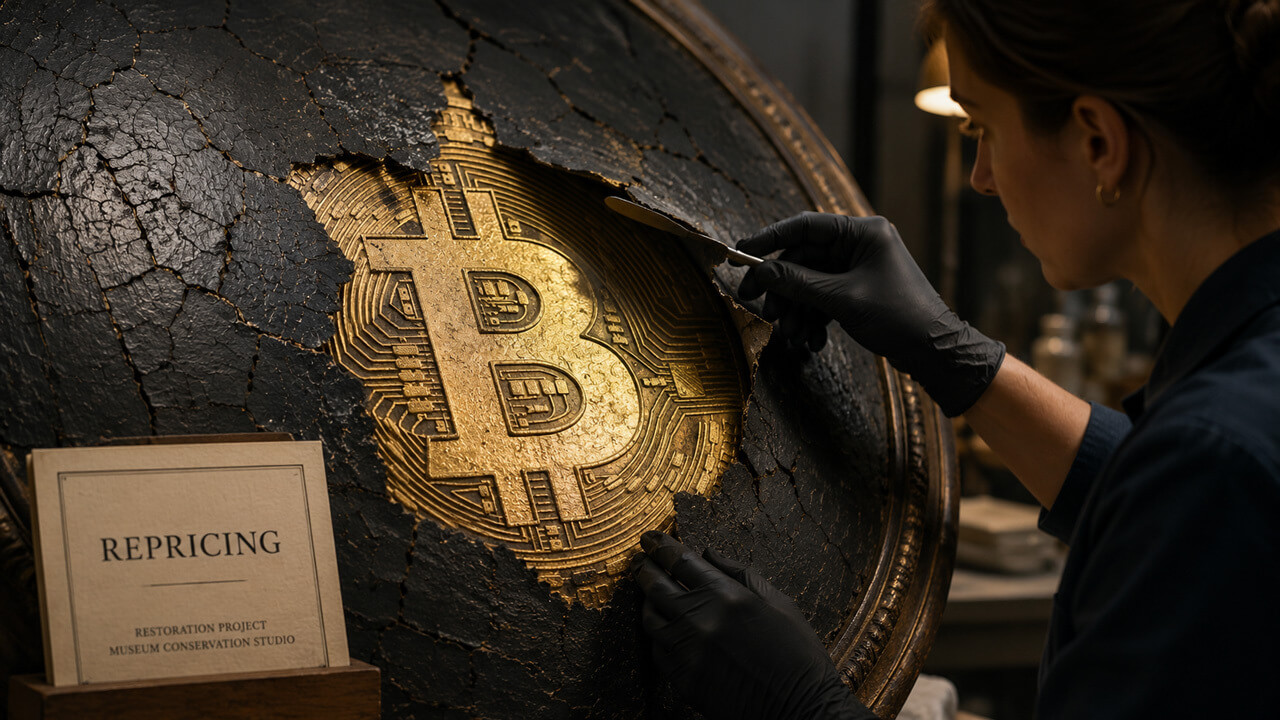
Bitcoin’s Breakout Gets a Macro Boost
Bitcoin’s move above $82,000 was not just another technical breakout. It came at a moment when global markets were reacting sharply to a sudden shift in geopolitical risk. After weeks of tension around the Strait of Hormuz, President Trump’s decision to halt the operation tied to reopening the key energy corridor changed the tone across risk markets almost immediately. Oil prices dropped sharply as traders reduced the fear premium that had been building around supply disruption, and Bitcoin quickly benefited from the improved macro backdrop. For crypto traders, the rally showed how strongly BTC is now connected to global liquidity, energy prices, and geopolitical headlines.
Why the Hormuz News Mattered
The Strait of Hormuz is one of the most important energy routes in the world, so any conflict or shipping disruption there can send oil prices higher. When oil rises quickly, markets begin to worry about inflation, central bank policy, and tighter financial conditions. That is usually a difficult setup for Bitcoin because higher inflation risks can delay interest rate cuts and push investors away from speculative assets. But when the operation was paused and fears of a wider disruption cooled, oil prices fell, and the market suddenly had a clearer path for risk appetite to return. Bitcoin’s surge was partly a reaction to that relief.
Shorts Get Crushed as BTC Moves Higher
The move above $82,000 also triggered a wave of short liquidations. Many traders had been betting against Bitcoin after its earlier weakness, assuming that the $80,000 to $85,000 range would act as heavy resistance. But when price pushed through $82,000 with momentum, those bearish positions were forced to close. Short liquidations can add fuel to a rally because traders who bet against the market must buy back their positions when price moves against them. That forced buying can create a quick upside squeeze, making the move look even stronger than normal spot demand alone would suggest.
The $80,000 to $85,000 Zone Is Now the Key Test
Bitcoin’s rally has brought it back into one of the most important price zones on the chart. The $80,000 to $85,000 area has become a major battleground because it includes former support, new resistance, profit-taking pressure, and leveraged trading activity. A clean move through this zone would give bulls more confidence that the rebound is becoming durable. However, a rejection from this range would suggest that the rally was driven more by macro relief and short liquidations than by long-term buying strength. That is why traders are watching whether BTC can hold above $82,000 rather than simply celebrating the breakout.
Institutional Demand Is Strengthening the Setup
One important difference between this rally and past relief moves is the presence of stronger institutional demand. Spot Bitcoin ETFs have helped create a regulated channel for large investors to add BTC exposure, while corporate treasury buyers continue to remove supply from the market. This kind of demand matters because it can create a stronger price floor than leverage alone. If institutions and companies are buying while short sellers are being forced out, the rally becomes more than just a speculative squeeze. It starts to look like a broader accumulation phase backed by deeper capital.
Leverage Still Creates Risk
Even though the rally looks bullish, the market is not risk-free. Open interest has been building quickly, showing that more speculative capital is entering Bitcoin derivatives. When open interest rises too fast, the market can become unstable. If traders become too aggressive on the long side, a sudden reversal can trigger liquidations in the opposite direction. This is why Bitcoin’s next move needs to be supported by spot buying, ETF inflows, and real demand. If leverage grows faster than actual buying, the rally could face a sharp reset before attempting higher targets.
Why Oil Prices Still Matter for Bitcoin
Bitcoin’s reaction to falling oil prices shows that BTC is still highly sensitive to macro conditions. Lower oil can reduce inflation fears, improve expectations for monetary policy, and support risk assets. Higher oil can do the opposite by creating pressure on consumers, businesses, and central banks. That makes energy markets an important part of the Bitcoin story, especially during periods of geopolitical stress. Traders who only watch crypto charts may miss one of the biggest forces driving BTC’s short-term moves. In this environment, oil, the dollar, bond yields, and geopolitical headlines can matter just as much as exchange flows.
Final Thoughts
Bitcoin’s push past $82,000 is a strong bullish signal, but it also shows how complex the market has become. The rally was supported by easing geopolitical tensions, falling oil prices, short liquidations, ETF demand, and corporate accumulation. That combination gave BTC enough strength to challenge a major resistance zone, but the next test is whether buyers can keep control after the initial squeeze fades. If Bitcoin holds the $80,000 to $85,000 range and spot demand continues improving, the market could begin targeting higher levels. If leverage becomes too crowded or macro pressure returns, the breakout could quickly turn into another volatility trap.
FAQs
Why did Bitcoin rise above $82,000?
Bitcoin rose above $82,000 after easing geopolitical tensions helped oil prices fall and improved risk appetite across markets. The move was also supported by short liquidations, ETF demand, and renewed institutional interest.
What are short liquidations?
Short liquidations happen when traders betting against Bitcoin are forced to close their positions because the price moves higher. This forced buying can push prices up even faster and create a sharp rally.
Why does the Strait of Hormuz matter for Bitcoin?
The Strait of Hormuz matters because it is a major route for global oil shipments. Tension in that area can raise oil prices, increase inflation fears, and pressure risk assets. When those fears ease, Bitcoin can benefit from improved market sentiment.
Is Bitcoin’s rally sustainable?
Bitcoin’s rally can become sustainable if spot demand, ETF inflows, and institutional accumulation continue. However, if the move becomes too dependent on leverage and short-term speculation, the market could face a sharp pullback.