
The Market Is Finally Seeing AI as a Power Story
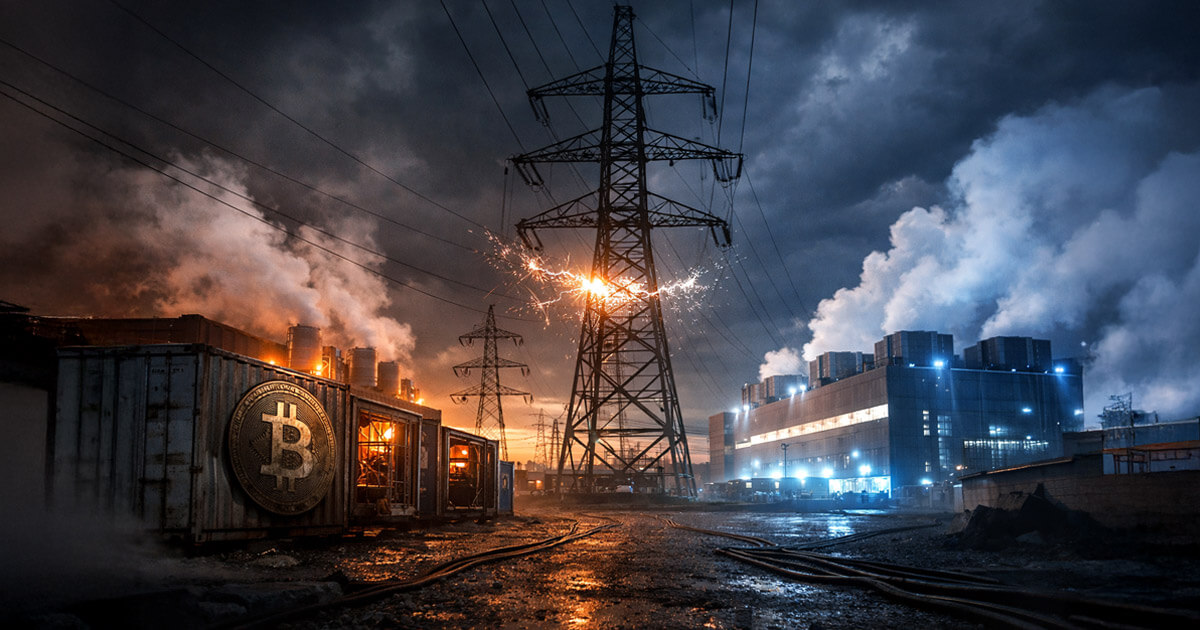
For much of the past two years, crypto investors treated artificial intelligence as a clear positive. AI data centers were seen as a fresh source of demand for power-heavy infrastructure, and many Bitcoin miners tried to position themselves as natural partners in that boom. They already had land, power contracts, cooling setups, and operational experience with large-scale compute. On paper, the connection looked perfect. But that easy narrative is starting to break down. The new warning is not that AI is slowing. It is that AI’s hunger for electricity is becoming so large that it may begin crowding out the very mining industry that once hoped to benefit from it.
Why the Old AI-Crypto Excitement Is Fading
The key shift is conceptual. AI is no longer being viewed only as a software revolution. It is increasingly being treated as an energy and infrastructure story. That matters because data centers do not just need chips and servers. They need massive, reliable, round-the-clock electricity. Recent estimates point to roughly 148 gigawatts of additional power capacity being needed by the end of the decade to satisfy data-center demand, up from about 42 gigawatts of power capacity consumed by data centers in 2025. Other forecasts cited in this debate suggest U.S. data centers could account for anywhere from the high single digits to nearly a quarter of U.S. electricity demand by 2030, depending on how aggressively AI expands and how much efficiency improves.
Bitcoin Miners Depend on the Same Scarce Resource
This is where Bitcoin mining becomes vulnerable. Mining has always depended on one crucial edge: access to cheap electricity that other industries either could not use efficiently or did not want. Miners thrived by locating near stranded energy, flexible grids, or markets where power could be interrupted when prices spiked. That model worked because miners were unusually adaptable. They could shut down quickly, absorb surplus power, and monetize energy that might otherwise be wasted. But AI data centers want something very different. They do not want interruptible power. They want firm, stable, premium electricity with as little downtime as possible. Once utilities and infrastructure investors realize that AI tenants are willing to pay more for high-quality power, the economics of grid access begin to change.
Flexibility May No Longer Be Enough
For years, Bitcoin miners sold themselves as ideal grid partners because they could power down during stress events and help balance electricity systems. That flexibility is still valuable. But it may not be enough in a market where AI operators are bidding aggressively for capacity and locking in long-duration contracts. A flexible user is useful to a grid. A premium customer willing to pay more for constant access can be even more attractive. That creates the real tension now emerging. The same energy assets that once favored mining may increasingly be redirected toward AI infrastructure, especially in regions where power availability has become the main bottleneck rather than land or hardware.
The Crypto Industry’s AI Pivot Could Backfire
That is what makes this moment so ironic. Many public mining companies have spent the last year telling investors that AI hosting could become a second life for their business. In some cases, that has worked. Markets rewarded miners that attached themselves to the AI theme, and some companies began shifting capital toward higher-margin hosting and data-center services. But the more miners lean into AI, the more they expose themselves to the same competitive pressure reshaping the power market. AI is not just creating a new revenue stream. It is also bidding up the cost of the very resource miners need most. What first looked like an adjacent opportunity now looks more like direct competition.
This Could Reshape Mining Economics in 2026
If this pressure intensifies, the consequences for mining could be significant. Operators with weak contracts, expensive power, or limited geographic flexibility may find themselves squeezed first. Mining margins were already under pressure from lower hashprice and intense competition. If AI demand makes firm electricity harder to secure or more expensive to renew, some miners could be pushed into consolidation, relocation, or strategic retreat. Others may choose to abandon mining growth altogether and focus on hosting AI workloads instead. In that sense, the coming conflict may not just raise costs. It may split the industry between companies that remain committed to Bitcoin mining and those that decide compute infrastructure is the better long-term business.
Why This Matters Beyond Miners
This is not only a miner story. It also matters for Bitcoin itself. Mining secures the network, and changes in mining economics eventually affect hashrate growth, geographic distribution, and the resilience of the system. If cheap power becomes harder to access, Bitcoin may increasingly rely on the strongest and best-capitalized operators. That could make the network more industrial, more selective, and potentially more concentrated in the hands of firms that can win the energy war. None of that means Bitcoin is in immediate danger. But it does mean the network’s future expansion may be shaped less by chip innovation alone and more by who controls megawatts.
The Real End of the Love Affair
The phrase “crypto’s love affair with AI” is ending because the relationship was never as simple as it seemed. Crypto investors loved the idea that AI would lift data-center values, reward mining companies, and create a new institutional growth story around power-intensive infrastructure. But the deeper reality is harder. AI’s biggest impact may be to make energy scarcer, more expensive, and more politically important. That turns AI from a friendly narrative into a competitive force. And for Bitcoin miners, that may be the real beginning of the next cycle: not a chip war, not a hash war, but an energy war.
FAQs
Why is AI becoming a problem for Bitcoin miners?
Because AI data centers need large amounts of reliable electricity, and that demand is increasing competition for the same power resources miners depend on.
How much electricity could AI-related data centers use?
Recent estimates suggest data-center demand could require about 148 gigawatts of additional power capacity by the end of the decade, with some forecasts putting U.S. data-center electricity demand at a very large share of total consumption by 2030.
Why can’t miners just compete on flexibility?
They still can in some regions, but AI operators often want firm power and may be willing to pay more for it, which can make them more attractive customers for utilities and infrastructure providers.
Are mining companies already shifting toward AI?
Yes. Several public miners have increasingly pursued AI hosting and data-center strategies, and some analysts expect AI-related revenue to become a much larger share of their business.
What is the bigger takeaway for Bitcoin?
The larger issue is that Bitcoin’s future mining economics may depend more heavily on access to cheap, dependable electricity, making energy competition one of the most important structural themes ahead.