
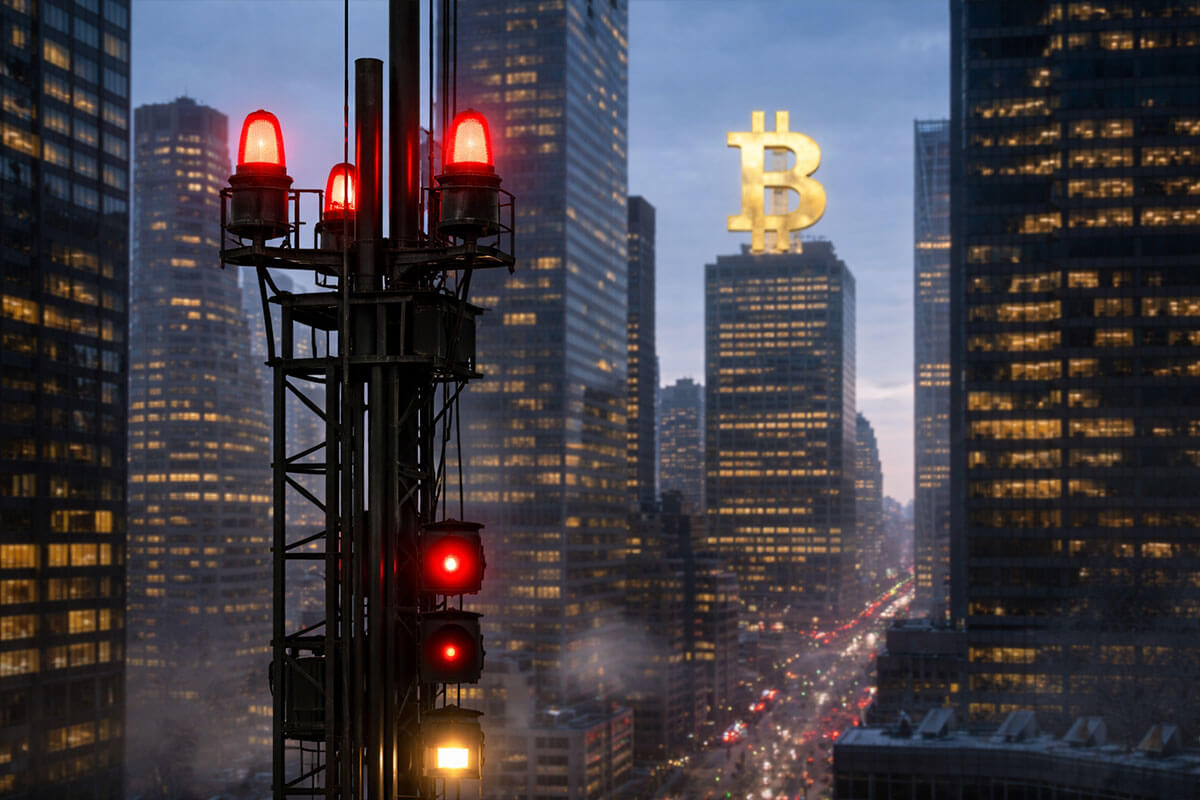
Bitcoin Reacts Before Traditional Markets Open
Bitcoin once again proved why many traders see it as a real-time barometer for global risk sentiment. As geopolitical tensions around Iran created uncertainty across markets, Bitcoin began climbing even before Wall Street opened, signaling a shift in investor expectations. While traditional markets were waiting for futures and pre-market reactions, crypto traders were already positioning ahead of the news cycle. This early move reinforced Bitcoin’s growing reputation as a 24/7 macro-sensitive asset that often reacts faster than stocks.
The catalyst was a market warning tied to Iranian political commentary that many traders interpreted as a contrarian signal. Instead of triggering panic, the warning appeared to invite risk-taking. Bitcoin, after moving sideways over the weekend, broke out higher as investors treated the geopolitical noise as overblown. Similar market reactions have been seen recently when political headlines initially caused fear but later became reversal signals.
Why Geopolitical Tension Lifted Bitcoin
Traditionally, war fears push investors toward safe-haven assets like gold and the U.S. dollar. However, Bitcoin has increasingly carved out its own role during periods of geopolitical instability. In this case, rather than collapsing under uncertainty, Bitcoin attracted capital as traders viewed the selloff risk as limited and upside momentum as more compelling.
Part of the move came from a broader belief that political headlines were causing exaggerated reactions in traditional markets. As oil prices and equity futures adjusted to fresh Iran developments, Bitcoin traders appeared to treat the volatility as opportunity rather than threat. This created a powerful narrative that digital assets may be evolving from speculative trades into macro hedge instruments.
Bitcoin as a Pre-Market Signal
One of the most interesting aspects of this rally was timing. Bitcoin moved before Wall Street could react, once again acting as a leading indicator. Because crypto trades nonstop, it often absorbs geopolitical shocks first, offering clues about how broader markets may behave when stock exchanges reopen.
This has become increasingly important for institutional traders. Weekend geopolitical events used to create uncertainty until Monday’s open. Now, Bitcoin often provides an early read on sentiment. In this case, its climb suggested traders were leaning toward de-escalation or at least reduced panic, and U.S. equities later echoed part of that optimism.
The Reverse Indicator Narrative Gains Attention
A major talking point from this event was the “reverse indicator” narrative. The idea is simple: when headline-driven fear becomes too obvious, markets often move the opposite way. Traders watching the Iran warning through this lens saw an opportunity to buy rather than flee.
That interpretation fueled speculative momentum, but it also reflected something deeper about today’s market structure. Social commentary, political messaging, and market psychology now interact almost instantly. Bitcoin, because of its speed and liquidity, often becomes the first asset where these narratives play out.
This shift matters because it shows Bitcoin’s price action is increasingly driven not just by crypto-native factors like ETF flows or halving cycles, but also by global macro sentiment, central bank expectations, and geopolitical risk.
Wall Street and Bitcoin Are Growing More Connected
Another theme emerging from this move is the strengthening relationship between Bitcoin and traditional finance. Once considered detached from mainstream markets, Bitcoin now often trades in response to the same forces moving equities, bonds, and commodities.
Yet there is a difference: Bitcoin can react sooner. That gives it a unique advantage and may explain why some investors increasingly monitor crypto for signals about broader market direction.
The rally before Wall Street also suggested confidence remained resilient despite recent volatility. Rather than signaling fear of prolonged conflict, markets seemed to interpret developments as manageable. That helped support risk assets broadly and reinforced bullish sentiment in crypto.
What This Means for Bitcoin’s Next Move
This episode could matter beyond a one-day rally. If Bitcoin continues acting as an early indicator during geopolitical shocks, it strengthens its case as a macro asset rather than simply a speculative token.
Much will depend on whether momentum holds above key resistance levels and whether institutional flows continue supporting the move. But the bigger takeaway is that Bitcoin’s behavior is changing. It is no longer just reacting to crypto-specific events — it is increasingly responding to global narratives in ways once reserved for major financial assets.
For investors, that may be one of the most bullish long-term signals of all.
Conclusion
Bitcoin’s climb ahead of Wall Street after Iran-related market warnings highlighted more than a short-term bounce. It showcased how crypto markets are evolving into a first-response mechanism for global risk sentiment. The “reverse indicator” narrative, growing ties with traditional finance, and Bitcoin’s role as a pre-market signal all point toward a maturing asset class.
Whether this rally extends or pauses, one thing is clear: Bitcoin is no longer waiting for Wall Street to set the tone.
FAQs
Why did Bitcoin rise despite Iran war concerns?
Many traders viewed the geopolitical warning as overblown and interpreted the fear as a contrarian buying opportunity, pushing Bitcoin higher.
What does it mean that Bitcoin moved before Wall Street?
It suggests Bitcoin is increasingly acting as an early indicator of market sentiment, often reacting before traditional stock markets open.
Is Bitcoin becoming a safe-haven asset?
While still volatile, Bitcoin is increasingly being considered by some investors as a hedge during geopolitical and macro uncertainty.
What is a reverse indicator in markets?
A reverse indicator is when heavily publicized fear or optimism causes markets to move in the opposite direction of the dominant narrative.
Could geopolitical tensions keep affecting Bitcoin price?
Yes. As Bitcoin becomes more integrated with global macro markets, geopolitical events are likely to continue influencing price movements.