

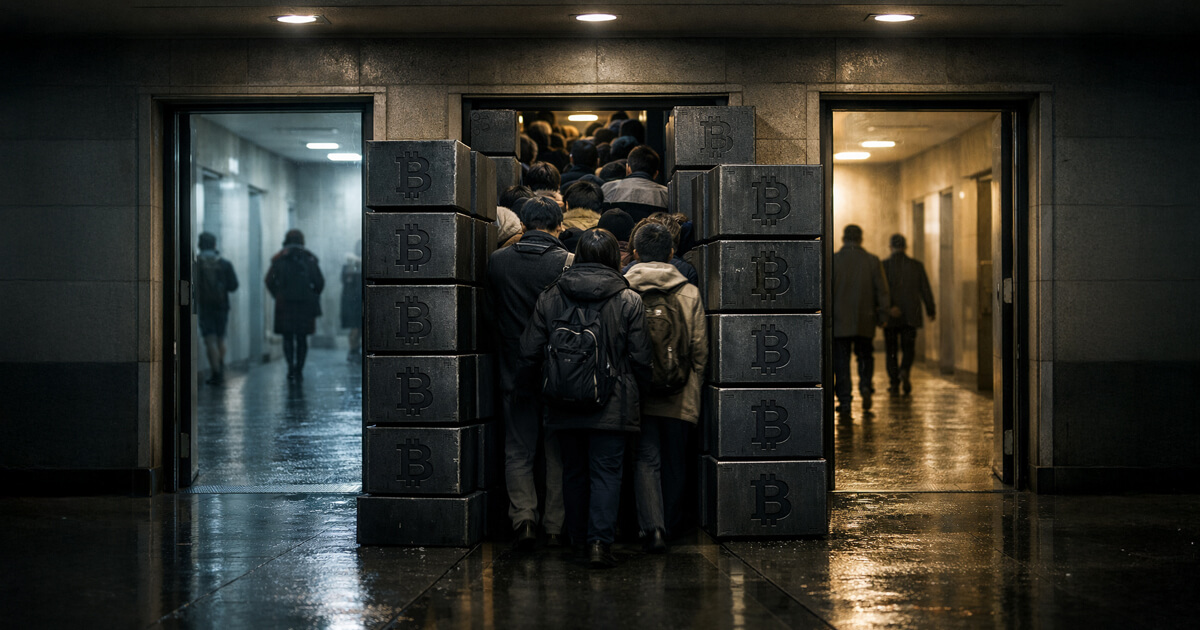
Bitcoin Faces a Tense Market Moment
Bitcoin entered Feb. 15, 2026, in a tense position. Even while BTC continued holding near the $70,000 area, derivatives traders were heavily betting on more downside. This created one of the most important market setups of the year: Bitcoin looked weak on the surface, but the short trade had become so crowded that it also carried the risk of a sudden squeeze.
Shorts Are Taking Control
The biggest signal came from funding rates. In perpetual futures markets, funding rates show which side of the trade is more aggressive. When funding turns deeply negative, it means short sellers are paying long traders to keep bearish positions open. That usually tells us the market is leaning heavily toward downside.
This time, short positioning reached one of its most extreme levels in years. Traders were not simply cautious; they were actively positioning as if Bitcoin had more pain ahead. The problem is that crypto markets often punish crowded trades. When too many traders sit on the same side, even a small price move in the opposite direction can trigger liquidations and forced buying.
Why Bitcoin Has Not Broken Down
The strange part is that Bitcoin has not fully collapsed despite this bearish pressure. BTC has continued to defend an important demand zone, showing that buyers are still stepping in when prices dip. That does not mean the market is fully bullish again, but it does suggest that sellers have not taken complete control.
This creates a battle between weak momentum and strong positioning risk. On one side, spot demand remains uncertain, ETF flows have been mixed, and traders are still nervous after previous liquidation events. On the other side, shorts are becoming so crowded that Bitcoin may not need much good news to spark a sharp rebound.
The Short Squeeze Risk
A short squeeze happens when bearish traders are forced to close their positions as price rises. Since closing a short requires buying Bitcoin back, this can add more upward pressure. If enough shorts are trapped, the move can become fast and violent.
That is why deeply negative funding is important. It does not guarantee a rally, but it shows the market is vulnerable. If Bitcoin pushes higher and holds above key resistance levels, short sellers may be forced to exit quickly. That could turn a weak bounce into a larger move.
Three Possible Paths Ahead
Bitcoin now has three realistic paths. The first is a squeeze rally, where crowded shorts fuel a sharp move higher. In this case, BTC could climb back toward major resistance zones as forced buying adds momentum.
The second path is a slow range grind. Bitcoin may continue moving sideways while traders reset leverage and funding returns closer to neutral. This would frustrate both bulls and bears because neither side gets a clean win.
The third path is a breakdown. If Bitcoin loses its current demand zone and spot buyers disappear, bearish positioning could be rewarded. In that case, BTC may revisit lower support levels, especially if macro pressure returns or liquidity weakens.
Why Traders Are Still Nervous
The market is still carrying fear from past liquidation waves. Many traders remember how quickly leveraged positions were wiped out during previous crashes. Because of that, rallies are being treated with suspicion. Instead of chasing upside, many traders are using bounces to hedge, sell, or open new shorts.
This defensive behavior can keep Bitcoin under pressure, even when short positioning looks extreme. A crowded short trade only becomes dangerous for bears when price starts rising with real spot demand behind it.
What This Means for Bitcoin
Bitcoin’s current setup is not simple bullish or bearish. It is a high-risk, high-volatility environment where both outcomes remain possible. The extreme level of shorts makes a squeeze more likely, but weak demand and cautious sentiment mean a breakdown cannot be ignored.
For investors, the key lesson is that positioning matters. When everyone expects the same move, the market often becomes unstable. Bitcoin holding near $70,000 while shorts pile in shows that the next move could be sharp, emotional, and painful for the wrong side.
FAQs
Why are Bitcoin shorts increasing?
Bitcoin shorts are increasing because traders expect more downside and weak momentum. Many believe BTC has not shown enough strength to confirm a clean recovery.
What does negative funding mean?
Negative funding means short sellers are paying long traders in perpetual futures markets. It usually shows that bearish positioning is becoming crowded.
Can extreme shorts cause Bitcoin to rise?
Yes. If Bitcoin starts moving higher, short sellers may be forced to close their positions. This can create a short squeeze and push BTC up quickly.
Is Bitcoin bullish or bearish right now?
Bitcoin is in a mixed position. The price is holding an important zone, but demand is still uncertain and traders remain defensive.
What level matters most for Bitcoin?
The key area is the current demand range near the high-$60,000 to low-$70,000 zone. Holding this area keeps squeeze risk alive, while losing it could open the door to more downside.