
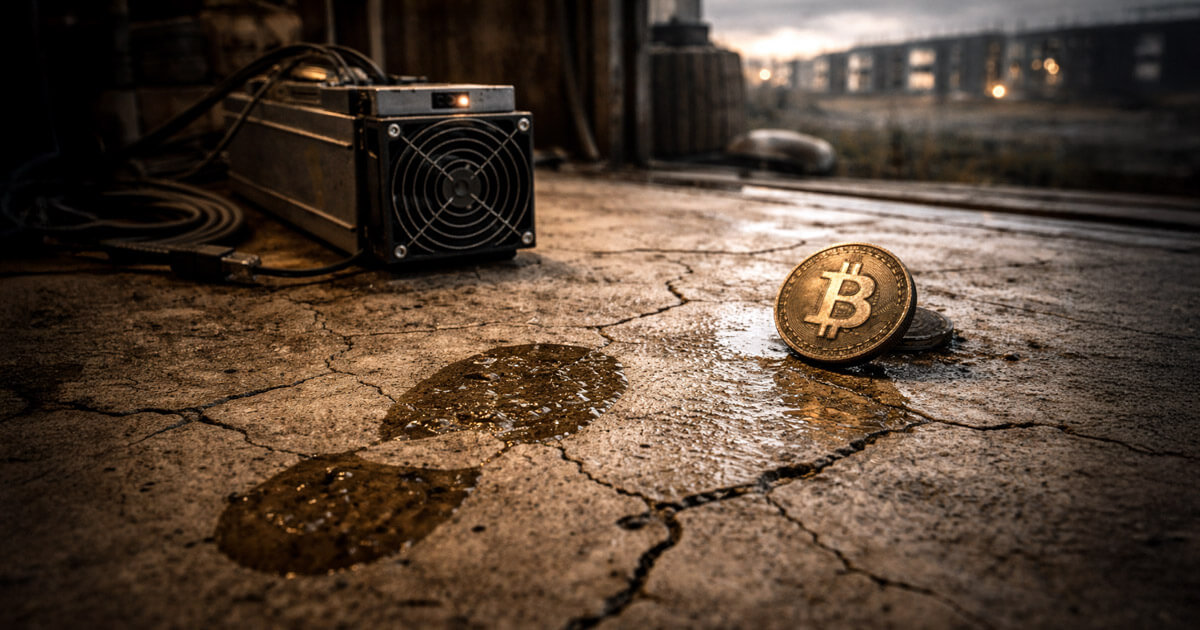
Bitcoin mining is usually described as a game dominated by industrial giants, massive data centers, and companies with access to cheap electricity and specialized hardware. That is why every time a solo miner successfully finds a block, the crypto world pays attention. Over the last 12 months, solo Bitcoin miners have managed to win 22 blocks, and another lucky participant reportedly hit the jackpot again this week. These events may be rare, but they highlight something fascinating about Bitcoin: even in a system increasingly shaped by scale and efficiency, there is still room for the individual to defy the odds.
Why Solo Mining Still Captures Attention
Solo mining has a certain mythic appeal because it represents the idea of one person competing against a global network and somehow coming out on top. In most cases, miners join pools to combine their computing power and receive smaller but steadier rewards. That model makes practical sense because Bitcoin mining is intensely competitive, and the probability of a single small miner finding a block alone is extremely low.
Yet that is exactly why these rare victories generate so much excitement. They feel less like routine business and more like a global lottery. When a solo miner wins, it reminds the market that Bitcoin’s network is still open in principle to anyone willing to participate. Even if the chances are slim, the possibility itself keeps the original spirit of decentralization alive.
The Meaning Behind 22 Blocks in One Year
The number may sound small compared with the total number of Bitcoin blocks mined annually, but 22 solo-mined blocks in 12 months is enough to create buzz. Each of those wins stands out because they happened against a backdrop of rising mining difficulty, fierce competition, and growing institutional involvement in the broader Bitcoin ecosystem.
This streak suggests that solo mining is not entirely dead, even if it remains highly improbable for most participants. It also reflects how improvements in mining tools, access to second-hand equipment, and specialized solo-mining setups may be giving some individuals a better chance than many assume. While the odds are still overwhelmingly against small miners, these examples show that “unlikely” does not mean “impossible.”
Luck, Skill, and the Energy Equation
It is tempting to look at a solo mining win and see pure luck, but the reality is more complicated. Mining success depends on hash power, electricity cost, hardware efficiency, and timing. Luck absolutely plays a role, especially for small operators, but preparation matters too. A miner with optimized equipment and a manageable energy setup has a better shot than someone plugging in outdated hardware without a plan.
At the same time, solo mining victories have fueled fresh conversations about energy. Mining critics often frame Bitcoin as a wasteful industry, while supporters argue that miners can help monetize stranded or excess energy. These jackpot stories add another layer to the discussion by showing how people continue to treat mining as an opportunity worth pursuing, even when the economics are uncertain and the competition is brutal.
Why These Stories Matter to Bitcoin’s Image
Stories like this resonate because they cut against the dominant narrative that Bitcoin is becoming inaccessible to ordinary participants. Whether in mining, investing, or infrastructure, many people worry that Bitcoin is drifting toward concentration in the hands of institutions and large operators. Solo mining wins offer a symbolic counterpoint.
They do not mean the mining industry has suddenly become fair or easy for everyone. Large-scale mining still controls the overwhelming majority of hash power, and that is unlikely to change anytime soon. But solo block wins remind the community that Bitcoin remains built on probabilities rather than permissions. No authority decides who gets to mine a block. The network simply rewards whoever solves the puzzle first.
The Psychology of the Bitcoin Jackpot
There is also a human side to these events. Solo mining victories capture imagination in the same way lottery wins do, except with a technological twist. They combine the thrill of chance with the culture of Bitcoin, where independence and self-sovereignty are core ideals. For many enthusiasts, the appeal is not only financial. It is also about proving that an individual can still participate directly in one of the world’s most competitive digital systems.
That emotional appeal may explain why these stories spread so quickly. They create hope, and hope is a powerful force in crypto markets. Even people who never plan to mine a single block are drawn to the idea that Bitcoin still leaves room for unexpected winners.
A Reminder of Bitcoin’s Open Design
The recent solo mining jackpot is not evidence that everyone should rush out and mine from home expecting instant rewards. For most people, the economics remain difficult, and pooled mining is still the more realistic option. But the broader takeaway is important. Bitcoin’s design continues to allow for surprising outcomes, even in an ecosystem shaped by industrial competition.
That is part of what keeps Bitcoin compelling after all these years. It is not just a financial asset or a network secured by machines. It is also a system where improbable victories can still happen, where individuals can still test their luck and skill, and where the next unlikely winner might already be running a machine somewhere unnoticed. In that sense, every solo-mined block is more than a payout. It is a reminder that Bitcoin’s open architecture still works exactly as intended.
FAQs
What is solo Bitcoin mining?
Solo Bitcoin mining is when an individual miner tries to find a block independently instead of joining a mining pool. If they succeed, they receive the full block reward and transaction fees, but the chances of winning are much lower.
Why is solo mining considered rare?
It is rare because Bitcoin mining is extremely competitive, and most of the network’s computing power is controlled by large mining operations and pools. A solo miner has only a tiny chance of solving a block first.
Does a solo mining win mean small miners are back?
Not really. These wins are still unusual and should be seen as rare successes rather than proof that solo mining has become easy or common again.
Why do these jackpot stories matter?
They matter because they show that Bitcoin remains open to anyone, even if the odds are long. These moments reinforce the idea that the network still allows individuals to participate directly and occasionally beat the giants.